Cutting Practice Activity for Kids: A Fun Way to Boost Fine Motor Skills
Why Fine Motor Skills Matter in Early Childhood Development
As children grow, the development of fine motor skills plays a crucial role in their overall growth and learning. These skills involve the coordination of small muscles in the hands and fingers, which are essential for tasks like writing, drawing, and using tools. One of the most effective ways to nurture these abilities is through activities that require precise hand movements. The Cutting Practice Activity for Kids is an excellent example of such an activity, offering both fun and functionality.
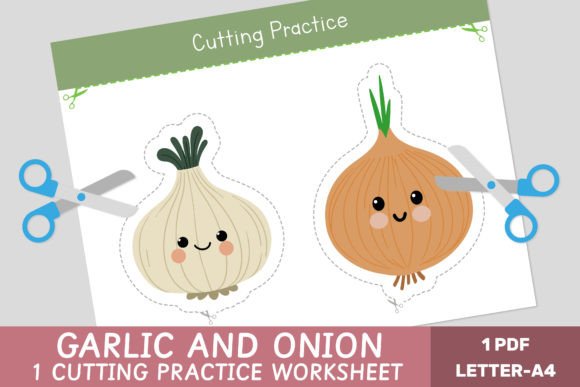
The task of cutting out shapes, such as two adorable onion and garlic figures, not only engages children in a creative process but also challenges them to control their scissors with greater precision. This kind of practice helps improve dexterity, hand-eye coordination, and concentration—skills that are vital for academic success and everyday life.
How to Use the Cutting Practice Activity for Kids
The Cutting Practice Activity for Kids is designed to be simple yet effective. It includes printable templates that can be downloaded and printed in two standard sizes: US Letter (8.5” x 11”) and A4 (210 mm x 297 mm). This flexibility ensures that educators and parents can choose the size that best fits their needs, whether they are working in a classroom or at home.
To get the most out of this activity, it's recommended to print the templates on heavy cardstock paper. Using high-quality paper not only makes the cutting process easier but also gives the finished product a more durable and professional look. Parents and teachers should ensure that their printers are set to the highest quality settings to achieve the best results.
Once the templates are printed, children can begin the task of cutting out the onion and garlic shapes. This activity can be done individually or in groups, making it versatile for various learning environments. Whether used during homeschooling, rainy days, quiet time, or back-to-school preparations, the Cutting Practice Activity for Kids offers a consistent way to engage young learners in meaningful practice.
Benefits of the Cutting Practice Activity for Kids
The benefits of engaging in cutting activities extend beyond just improving fine motor skills. Here are some key advantages that make the Cutting Practice Activity for Kids a valuable addition to any child’s routine:
- Enhanced Hand-Eye Coordination: As children guide their scissors along the lines of the template, they develop better coordination between their eyes and hands.
- Improved Concentration: Focusing on a detailed task like cutting encourages children to stay engaged and attentive for longer periods.
- Increased Confidence: Successfully completing a cutting task gives children a sense of accomplishment, which boosts their self-esteem.
- Preparation for Writing: The fine motor control developed through cutting translates well into writing skills, making this activity a precursor to learning how to write.
- Creativity and Imagination: While the templates provide structure, children can still express their creativity by choosing different colors or adding decorative elements to their finished pieces.
These benefits highlight why the Cutting Practice Activity for Kids is not just a simple craft project but a valuable educational tool that supports multiple areas of development.
Use Cases for the Cutting Practice Activity for Kids
The versatility of the Cutting Practice Activity for Kids makes it suitable for a wide range of scenarios. Here are some common use cases where this activity shines:
- Homeschooling: Parents who are homeschooling their children can integrate this activity into their curriculum to teach practical skills while keeping lessons engaging.
- Classroom Settings: Teachers can use this activity as part of art or occupational therapy sessions to help students build fine motor skills in a structured environment.
- Rainy Days: On days when outdoor play isn’t possible, this activity provides a constructive and indoor-friendly option for children to stay active and focused.
- Quiet Time: For children who need a calming activity, cutting out shapes can serve as a meditative and relaxing task that promotes mindfulness.
- Back to School Time: Starting the school year with a fun and educational activity helps children ease into the routine while reinforcing important developmental skills.
Each of these use cases demonstrates how adaptable the Cutting Practice Activity for Kids is, ensuring that it remains relevant and beneficial across different contexts.
Considerations for Implementing the Activity
While the Cutting Practice Activity for Kids is highly beneficial, there are a few considerations to keep in mind to ensure the best experience for the child:
Age Appropriateness: Although the activity is suitable for many age groups, it’s important to consider the child’s developmental stage. Younger children may need assistance with holding scissors or tracing the lines before attempting to cut independently.
Supervision: Safety is always a priority when using scissors. Adults should supervise children during the activity to prevent accidents and ensure proper use of the tools.
Encouragement and Praise: Positive reinforcement plays a significant role in motivating children to complete tasks. Praising their efforts and celebrating their achievements can encourage them to continue practicing and developing their skills.
Variety of Activities: To keep the activity interesting, parents and teachers can introduce variations, such as changing the shapes or incorporating storytelling elements to make the experience more engaging.
By taking these considerations into account, the Cutting Practice Activity for Kids can be tailored to meet the specific needs and interests of each child, maximizing its effectiveness and enjoyment.
Conclusion
The Cutting Practice Activity for Kids is more than just a fun craft—it’s a powerful tool for developing essential fine motor skills in children. Through the simple act of cutting out shapes like onions and garlic, kids can improve their coordination, focus, and confidence while having fun. Whether used in homes, classrooms, or other learning environments, this activity provides a valuable opportunity for hands-on learning and skill-building.
With its flexible design, easy-to-follow instructions, and wide range of applications, the Cutting Practice Activity for Kids is a must-have resource for anyone looking to support early childhood development in a creative and effective way. By incorporating this activity into daily routines, parents and educators can help children lay a strong foundation for future academic and personal success.