Unlocking Creativity with Retro Gadget Object Illustration
In an era dominated by digital innovation, the charm of retro gadget object illustration offers a nostalgic escape into the past while maintaining a modern relevance. These illustrations are more than just artistic representations; they serve as bridges between the analog and digital worlds, allowing creators to explore the aesthetics of vintage technology in contemporary contexts. Whether you're a designer, educator, or hobbyist, understanding the nuances of retro gadget object illustration can open up new avenues for creative expression and practical application.
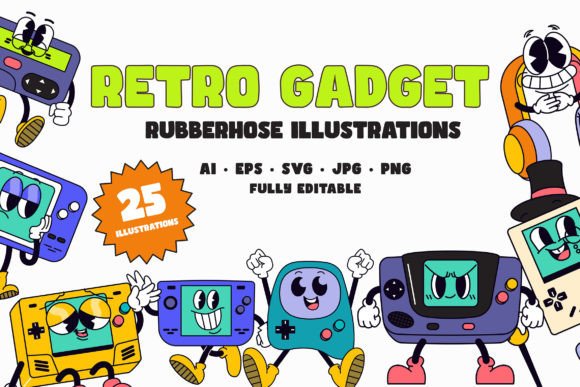
Retro gadget object illustration is characterized by its ability to capture the essence of classic devices such as rotary phones, typewriters, and vintage radios. These illustrations often feature intricate details that highlight the craftsmanship of bygone eras, making them visually appealing and historically significant. The use of simple linear style in these illustrations not only enhances their minimalist appeal but also makes them versatile for various design purposes.
The Artistic Value of Retro Gadget Object Illustration
At the heart of retro gadget object illustration lies a deep appreciation for the design principles of the past. Artists who specialize in this field often draw inspiration from the functionality and form of vintage gadgets, translating these elements into visual narratives that resonate with both nostalgia and modern sensibilities. This blend of old and new creates a unique aesthetic that can be applied across multiple mediums, including print, digital media, and even interactive platforms.
One of the key characteristics of retro gadget object illustration is its ability to evoke emotion. Each line and curve tells a story, inviting viewers to reflect on the technological advancements that have shaped our world. For instance, an illustration of a vintage camera might not only showcase its physical features but also hint at the memories captured through its lens. This emotional resonance is what makes retro gadget illustrations so compelling and relatable.
Practical Applications of Retro Gadget Object Illustration
The versatility of retro gadget object illustration extends beyond mere artistic appreciation. These illustrations can be effectively utilized in various industries, from education to marketing. In educational settings, they can serve as teaching tools to illustrate the evolution of technology over time. For example, a classroom presentation on the history of communication could incorporate retro gadget illustrations to visually represent the transition from telegraphs to smartphones.
Marketers and brand designers can leverage retro gadget illustrations to create a sense of authenticity and nostalgia in their campaigns. By incorporating these visuals into advertisements or packaging designs, brands can tap into consumers' emotional connections with the past. This approach not only enhances brand identity but also fosters a deeper engagement with the audience.
Moreover, retro gadget illustrations can be integrated into user interfaces and digital products to enhance usability and visual appeal. For instance, a mobile app designed for productivity could feature icons inspired by vintage typewriters or calculators, creating a cohesive and familiar experience for users.
Exploring the Benefits of Retro Gadget Object Illustration
The benefits of retro gadget object illustration are manifold, ranging from enhancing visual storytelling to promoting creativity among users. One of the primary advantages is the ability to communicate complex ideas through simplified visuals. By using retro gadget illustrations, designers can convey messages about technology, innovation, and progress in a way that is accessible and engaging.
Another significant benefit is the potential for customization. Retro gadget illustrations can be adapted to suit different themes and styles, making them suitable for a wide range of applications. Whether it's for a minimalist wall art piece or a vibrant social media graphic, these illustrations can be tailored to meet specific needs and preferences.
Furthermore, retro gadget illustrations can inspire creativity and innovation in both individuals and teams. By studying the design elements of vintage gadgets, creators can gain insights into problem-solving and functionality, which can be applied to modern design challenges. This cross-generational perspective encourages a more holistic approach to design thinking.
Considerations When Using Retro Gadget Object Illustration
While the benefits of retro gadget object illustration are numerous, there are several considerations that should be taken into account when incorporating these visuals into projects. First and foremost, it's essential to respect the original context and purpose of the gadgets being illustrated. Misrepresenting or oversimplifying these objects can lead to misunderstandings or misinterpretations of their historical significance.
Additionally, designers should be mindful of copyright and intellectual property rights when using retro gadget illustrations. Many vintage gadgets are protected by patents or trademarks, so it's crucial to ensure that any illustrations used are either original creations or properly licensed for commercial use.
Lastly, the choice of color palette and style should align with the overall aesthetic of the project. While retro gadget illustrations often feature muted tones and clean lines, they can also be enhanced with bold colors and textures to create a more dynamic visual impact. Experimenting with different styles can help designers find the perfect balance between nostalgia and modernity.
Case Studies and Real-World Examples
To better understand the practical implications of retro gadget object illustration, let's examine a few real-world examples. A notable case study involves a tech startup that incorporated retro gadget illustrations into their branding strategy. By using vintage-inspired graphics on their website and product packaging, the company successfully differentiated itself from competitors and attracted a loyal customer base that appreciated the nostalgic appeal.
Another example comes from the world of education, where a school district implemented retro gadget illustrations in their science curriculum. Students were tasked with creating their own illustrations of historical scientific instruments, fostering a deeper understanding of the subject matter while encouraging creativity and critical thinking.
In the realm of digital marketing, a fashion brand utilized retro gadget illustrations in their advertising campaigns to evoke a sense of timeless elegance. The visuals not only captured the attention of their target audience but also reinforced the brand's commitment to quality and craftsmanship.
Trends in Retro Gadget Object Illustration
As we look ahead, several trends are shaping the future of retro gadget object illustration. One of the most prominent trends is the increasing demand for customizable illustrations that allow users to personalize their designs. This shift reflects a growing desire for individuality and self-expression in both personal and professional contexts.
Additionally, there is a rising interest in eco-friendly materials and sustainable practices within the illustration industry. Artists are beginning to explore the use of recycled materials and environmentally conscious techniques to create retro gadget illustrations that not only honor the past but also contribute to a more sustainable future.
Finally, the integration of augmented reality (AR) and virtual reality (VR) technologies is opening up new possibilities for retro gadget object illustration. Designers can now create immersive experiences that allow users to interact with their illustrations in innovative ways, blurring the lines between the physical and digital worlds.
As the landscape of design continues to evolve, retro gadget object illustration remains a powerful tool for creative expression and practical application. By embracing the beauty of the past while adapting to the demands of the present, artists and designers can unlock new levels of innovation and inspiration. Whether used for educational purposes, marketing strategies, or personal projects, retro gadget illustrations offer a unique opportunity to connect with history while shaping the future of design.